
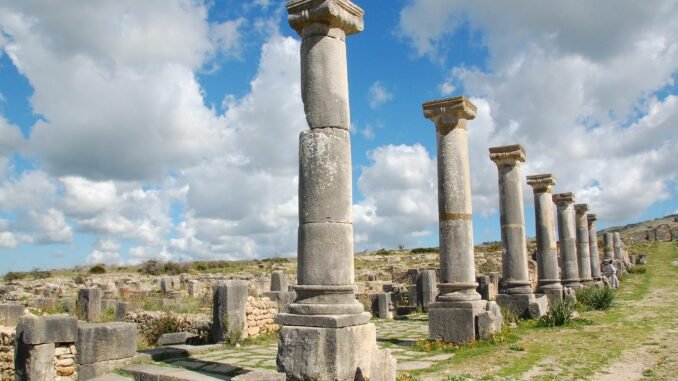
Morocco, a country with a rich history and vibrant culture, is a destination that offers something for every kind of traveler. From the bustling medinas to the serene oases, Morocco’s diverse landscapes are a treat to explore.
Whether you’re looking for a relaxing getaway or an adventure-filled journey, Morocco’s top cities have it all. In this article, we’ll explore the top 10 cities to visit, providing you with a comprehensive Morocco travel guide.
Key Takeaways
- Discover Morocco’s rich history and culture
- Explore the top cities to visit in Morocco
- Get insights into Morocco’s diverse landscapes
- Plan your trip with our comprehensive travel guide
- Experience the best of Morocco tourism
Exploring the Magic of Moroccan Urban Life
Morocco’s cities are a treasure trove of cultural richness and architectural splendor, offering travelers a unique urban experience. The blend of traditional and modern elements creates a vibrant urban landscape that is both captivating and immersive.
The Unique Character of Moroccan Cities
Moroccan cities are known for their rich cultural heritage and architectural diversity. The ancient medinas, bustling souks, and historical landmarks like the Bahia Palace in Marrakech or the Hassan II Mosque in Casablanca, showcase the country’s diverse cultural influences.
The urban life in Morocco is characterized by a mix of traditional and modern lifestyles. Visitors can experience this blend firsthand by exploring the city’s architectural marvels, savoring local cuisine, and engaging with the locals.
Best Times to Visit and General Travel Tips
Morocco’s climate varies significantly from north to south and from the coast to the desert. Generally, the best time to visit is during spring (March to May) and autumn (September to November), when the weather is mild and pleasant.
Here are some general travel tips for visiting Moroccan cities:
- Respect local customs and dress modestly.
- Be prepared to haggle in souks and markets.
- Stay hydrated and wear sunscreen, especially in the desert regions.
| City | Best Time to Visit | Must-See Attractions |
|---|---|---|
| Marrakech | Spring, Autumn | Jemaa el-Fnaa, Bahia Palace |
| Casablanca | Year-round | Hassan II Mosque, Corniche |
| Fez | Spring, Autumn | Al-Qarawiyyin University, Ancient Medina |
As travel experts suggest, planning your trip according to these tips can greatly enhance your Moroccan urban experience.
“Morocco is a country where the traditional and the modern coexist in a swirl of colors, textures, and aromas.”
— A traveler’s account
Marrakech: The Red City of Adventure
As one of Morocco’s most iconic cities, Marrakech offers a kaleidoscope of experiences that captivate the senses. Known as the Red City due to its distinctive red sandstone buildings, Marrakech is a vibrant destination that promises an unforgettable adventure.
Jemaa el-Fnaa and the Ancient Medina
The heart of Marrakech is Jemaa el-Fnaa, a bustling square that comes alive with snake charmers, street performers, and food stalls. As night falls, the square transforms into a vibrant spectacle of lights and sounds. Exploring the narrow alleys of the ancient Medina is a must, with its rich history and cultural significance.
Bahia Palace and Majorelle Gardens
Marrakech is home to architectural marvels like the Bahia Palace, a masterpiece of Islamic craftsmanship. The Majorelle Gardens, with its stunning blue architecture and lush greenery, is another must-visit attraction that showcases the city’s unique blend of traditional and modern beauty.
Where to Stay and Eat in Marrakech
From luxurious riads to boutique hotels, Marrakech offers a wide range of accommodation options. For dining, the city is renowned for its delicious cuisine, with popular dishes like tagine and couscous. Visitors can enjoy dining in traditional settings or modern restaurants.
| Cuisine | Recommended Dishes | Best Dining Locations |
|---|---|---|
| Traditional Moroccan | Tagine, Couscous | Jemaa el-Fnaa |
| Modern Fusion | Grilled Meats, Seafood | Gueliz |
Getting Around and Safety Tips
Navigating Marrakech can be an adventure in itself. Visitors can use taxis, ride-sharing services, or explore on foot. It’s advisable to stay aware of surroundings, especially in crowded areas, and to respect local customs.
“Marrakech is a city that stays with you… it haunts you, captures you, and transforms you.” –
Unknown
With its rich history, vibrant culture, and warm hospitality, Marrakech is a destination that leaves a lasting impression on all who visit.
Fez: Morocco’s Cultural and Spiritual Heart
As Morocco’s cultural and spiritual heart, Fez offers an immersive experience into the country’s ancient traditions. This historic city is renowned for its well-preserved architecture and vibrant cultural scene.
Navigating the World’s Largest Car-Free Urban Area
The ancient medina of Fez is one of the largest car-free urban areas in the world, providing a unique and immersive experience for visitors. Navigating its narrow streets can be an adventure, with hidden gems around every corner. Visitors can explore on foot or hire a local guide to uncover the medina’s secrets.
Al-Qarawiyyin: The Oldest University in the World
Fez is home to Al-Qarawiyyin University, the oldest continuously operating university in the world. Established in 859 AD, it has played a significant role in Islamic scholarship and learning for centuries. Visitors can admire its beautiful architecture and historical significance.
Traditional Crafts and the Famous Tanneries
The city is famous for its traditional crafts, particularly the ancient tanneries that have been in operation for centuries. Observing the tanning process is a unique experience, showcasing traditional methods passed down through generations.
Accommodation and Dining Recommendations
Fez offers a range of accommodations, from luxury riads to budget-friendly hotels. Visitors can enjoy traditional Moroccan cuisine at local restaurants, savoring dishes such as tagine and couscous. For a truly authentic experience, dining in the medina is recommended.
Casablanca: Modern Morocco’s Cosmopolitan Center
Casablanca, Morocco’s largest city, is a bustling metropolis that offers a unique blend of cultural heritage and contemporary lifestyle. As the economic hub of the country, it has evolved into a modern, cosmopolitan center that attracts visitors from around the world.
Hassan II Mosque: Architectural Marvel
The Hassan II Mosque is one of Casablanca’s most iconic landmarks, showcasing exceptional Moroccan craftsmanship. This magnificent structure, partially built over the sea, is a testament to the country’s rich architectural heritage.
Art Deco Heritage and the Corniche
Casablanca’s Art Deco district is a treasure trove of stylish buildings from the French colonial era, offering a glimpse into the city’s historic elegance. The Corniche, a scenic waterfront area, provides a modern contrast with its upscale restaurants and cafes.
Contemporary Dining and Nightlife
The city’s dining scene is a fusion of traditional Moroccan cuisine and international flavors, catering to diverse tastes. Casablanca’s nightlife is equally vibrant, with numerous bars and clubs that stay lively until the early hours.
Business and Luxury Travel Options
Casablanca is equipped with state-of-the-art business facilities, making it an ideal destination for professionals. Luxury travelers can enjoy high-end hotels and exclusive services, ensuring a comfortable and memorable stay.
Chefchaouen: The Blue Pearl of Morocco
The charming town of Chefchaouen, known affectionately as the Blue Pearl, offers a tranquil retreat amidst the rugged beauty of the Rif Mountains. This picturesque town has become a haven for travelers seeking an authentic Moroccan experience.
The Story Behind the Iconic Blue Walls
Chefchaouen’s blue-painted buildings are not just a visual treat; they hold a story. The tradition of painting buildings blue is believed to have started in the 1930s, possibly as a symbol of the town’s connection to the sky and heaven. Today, the blue walls have become a defining feature of Chefchaouen, attracting photographers and artists from around the world.
Hiking in the Surrounding Rif Mountains
The Rif Mountains offer numerous hiking trails with breathtaking views. Visitors can explore the natural beauty surrounding Chefchaouen, from lush valleys to rugged peaks. Hiking is a great way to experience the local flora and fauna, and several trails cater to different fitness levels.
Artisanal Shopping and Local Experiences
Chefchaouen is renowned for its artisanal goods, including handmade textiles, pottery, and jewelry. Visitors can enjoy local cuisine at traditional eateries and explore the weekly markets for unique souvenirs.
Day Trips and Photography Opportunities
The area around Chefchaouen offers several day trip options, including visits to nearby waterfalls and villages. The town’s blue buildings and the surrounding landscape provide endless photography opportunities, making it a paradise for photographers.
The Best Cities to Visit in Morocco for Authentic Experiences
Rabat and Meknes, two of Morocco’s most historically significant cities, provide visitors with an authentic taste of the country’s royal heritage and imperial past. While both cities are steeped in history, they offer distinct experiences that showcase the diversity and richness of Moroccan culture.

Rabat: The Capital’s Royal Heritage
Rabat, the capital city of Morocco, is a treasure trove of historical landmarks and cultural institutions. Its royal heritage is evident in its architecture, from the Kasbah of the Udayas to the Hassan Tower and Mausoleum of Mohammed V.
Kasbah of the Udayas and Ocean Views
The Kasbah of the Udayas is a fortified citadel that offers breathtaking views of the Atlantic Ocean. Visitors can explore its narrow streets, admire the whitewashed houses, and enjoy the tranquil gardens. The kasbah’s location on a cliff overlooking the ocean makes it a perfect spot to watch the sunset.
Hassan Tower and Mausoleum of Mohammed V
The Hassan Tower, an unfinished minaret, is a symbol of Rabat’s rich history. Nearby, the Mausoleum of Mohammed V is a masterpiece of modern Moroccan architecture, housing the tombs of the king and his two sons. This site is a testament to the country’s respect for its monarchs.
Modern City Life and Cultural Institutions
Beyond its historical sites, Rabat is a vibrant city with a thriving cultural scene. The city’s museums, such as the Archaeological Museum and the Museum of History and Civilizations, offer insights into Morocco’s past and present. The city’s cafes and restaurants serve a blend of traditional and modern Moroccan cuisine.
Meknes: The Underrated Imperial City
Meknes, once the capital of Morocco under Sultan Moulay Ismail, is an imperial city that boasts an impressive array of historical sites. Its imperial past is reflected in its grand architecture, including the Bab Mansour gate and the Royal Stables.
Bab Mansour and the Historic Medina
Bab Mansour, one of the most iconic gates in Morocco, is a testament to the city’s rich history. The historic Medina, a UNESCO World Heritage Site, is filled with narrow streets, bustling markets, and historic landmarks. Visitors can explore the medina’s many souks, where they can find traditional crafts and local goods.
The Royal Stables and Granaries
The Royal Stables, built during the reign of Sultan Moulay Ismail, are an impressive example of the city’s imperial past. The stables, which could house thousands of horses, are a testament to the sultan’s power and influence. Nearby, the granaries offer insights into the logistical feats of the time.
Wine Country and Agricultural Surroundings
Meknes is also known for its agricultural surroundings, including the fertile Saiss Plain. The region is home to numerous vineyards, producing some of Morocco’s best wines. Visitors can explore the countryside, visit local farms, and enjoy the region’s gastronomic delights.
Coastal Treasures of the Moroccan Shoreline
From the windswept beaches of Essaouira to the historic significance of Tangier, Morocco’s coastal towns are treasures waiting to be explored. Morocco’s extensive coastline is dotted with charming towns that offer a mix of history, culture, and natural beauty, making them must-visit destinations for any traveler.
Essaouira: Windswept Atlantic Beauty
Essaouira is renowned for its windy beaches and artistic vibe, making it a haven for those who appreciate both natural beauty and cultural richness. The town’s historic port and defensive walls are testaments to its rich past, while its fresh seafood cuisine is a delight for the senses.
The Historic Port and Defensive Walls
The historic port of Essaouira is a bustling hub of activity, with fishermen unloading their daily catch and local craftsmen selling their wares. The town’s defensive walls, built in the 18th century, are a reminder of its strategic importance in the past.
Beach Activities and Fresh Seafood Cuisine
Essaouira’s beaches are perfect for windsurfing and kitesurfing, thanks to the consistent Atlantic winds. After a day at the beach, visitors can enjoy the town’s renowned seafood at one of the many local restaurants.
Music Festivals and Artistic Heritage
Essaouira is also known for its vibrant artistic community and hosts several music festivals throughout the year, including the Essaouira Gnawa Music Festival. The town’s narrow streets are filled with art galleries and craft shops, showcasing the local talent.
“Essaouira is a place where the rhythm of the sea and the warmth of the people come together to create an unforgettable experience.”
Unknown
Tangier: Gateway Between Continents
Tangier, located on the Strait of Gibraltar, has long been a crossroads of cultures, serving as a gateway between Europe and Africa. Its unique blend of influences is evident in its architecture, cuisine, and cultural practices.
The Kasbah and International Zone History
The Kasbah, or old fortified city, of Tangier is a maze of narrow streets and historic buildings, offering stunning views of the Mediterranean. The city’s history as an International Zone, governed by several European powers, has left a lasting legacy in its architecture and cultural identity.
Caves of Hercules and Cape Spartel
Just outside Tangier, visitors can explore the Caves of Hercules, a natural wonder with a rich mythological history. Cape Spartel, the northwesternmost point of Africa, offers breathtaking views of the Atlantic Ocean and the Mediterranean Sea.
Literary Connections and Café Culture
Tangier has a rich literary history, having inspired many famous writers, including Paul Bowles and William S. Burroughs. The city’s café culture is vibrant, with many establishments where locals and visitors alike can enjoy a cup of coffee or mint tea in a lively atmosphere.
In conclusion, Essaouira and Tangier are two of Morocco’s most captivating coastal towns, each offering a unique blend of natural beauty, history, and culture. Whether you’re interested in relaxing on the beach, exploring historic sites, or immersing yourself in local art and music, these destinations have something for everyone.
Desert Cities: Gateways to the Sahara
The Sahara Desert beckons, and the desert cities of Morocco are the perfect gateways to this vast, sandy expanse. Morocco’s desert cities offer a unique blend of adventure, culture, and natural beauty, making them a must-visit for any traveler.
Ouarzazate: Hollywood of Morocco
Ouarzazate, often referred to as the “Hollywood of Morocco,” is a city that has gained international recognition for its film studios and cinematic history. The city’s unique landscape and architecture have made it a favorite among filmmakers.
Film Studios and Cinema History
The city is home to several film studios, including the Atlas Studios, which have hosted the production of numerous famous films and TV series. Visitors can explore the studios and learn about the history of filmmaking in Ouarzazate.
Ait Ben Haddou UNESCO Site
Just a short drive from Ouarzazate is the Ait Ben Haddou UNESCO World Heritage site, a fortified village that has been used as a filming location for many movies. The site offers breathtaking views and a glimpse into Morocco’s rich cultural heritage.
Desert Tours and Excursions
Ouarzazate serves as a gateway to the Sahara Desert, offering various desert tours and excursions. Visitors can enjoy camel rides, desert camping, and exploring the vast dunes of the Sahara.

Merzouga: Doorway to the Erg Chebbi Dunes
Merzouga is another significant desert city in Morocco, known for its proximity to the Erg Chebbi Dunes, one of the most impressive sand dune formations in the Sahara.
Camel Treks and Desert Camps
Visitors to Merzouga can enjoy camel treks across the Erg Chebbi Dunes, staying overnight in desert camps that offer a unique and authentic experience under the stars.
Berber Culture and Music
Merzouga is also a place to experience Berber culture, with opportunities to engage with local communities and enjoy traditional Berber music and hospitality.
Stargazing and Photography Opportunities
The clear desert skies make Merzouga an ideal location for stargazing. The dramatic landscapes also offer numerous photography opportunities, capturing the beauty of the Sahara Desert.
| City | Main Attractions | Activities |
|---|---|---|
| Ouarzazate | Film Studios, Ait Ben Haddou | Desert Tours, Camel Rides |
| Merzouga | Erg Chebbi Dunes | Camel Treks, Desert Camping, Stargazing |
In conclusion, the desert cities of Morocco, particularly Ouarzazate and Merzouga, offer a rich and diverse experience for travelers. From the cinematic landscapes of Ouarzazate to the majestic Erg Chebbi Dunes of Merzouga, these cities are gateways to the wonders of the Sahara Desert.
Conclusion: Creating Your Perfect Moroccan City Itinerary
With this guide, you’re now equipped to plan your trip to Morocco, exploring its top cities and experiencing the rich cultural heritage and natural beauty the country has to offer. To create a personalized moroccan city itinerary, consider the cities that interest you most, whether it’s the bustling medinas of Marrakech and Fez, the coastal charm of Essaouira, or the desert landscapes of Merzouga.
Effective travel planning involves balancing popular destinations with unique experiences. Morocco’s diverse cities offer a wealth of options, from historic sites to vibrant cultural scenes. Use this morocco travel guide to tailor your journey, ensuring it aligns with your interests and preferences.
Whether you’re drawn to the vibrant colors and sounds of Jemaa el-Fnaa, the serene beauty of the Atlas Mountains, or the historical significance of Al-Qarawiyyin University, your Moroccan adventure awaits. Start planning your trip today and get ready to immerse yourself in the enchanting world of Morocco.
FAQ
What are the best cities to visit in Morocco?
Morocco has a plethora of exciting cities to explore, including Marrakech, Fez, Casablanca, Chefchaouen, Rabat, Meknes, Essaouira, Tangier, Ouarzazate, and Merzouga, each offering a unique blend of culture, history, and natural beauty.
What is the best time to visit Morocco?
The best time to visit Morocco is during spring (March to May) and autumn (September to November), when the weather is mild and pleasant, making it ideal for exploring the cities and countryside.
How do I get around Moroccan cities?
Moroccan cities have various transportation options, including taxis, buses, and walking. Many cities are also easily navigable on foot, especially within the medinas. You can also consider renting a car or hiring a private driver for longer trips.
What are some must-try Moroccan dishes?
Moroccan cuisine is known for its rich flavors and aromas. Be sure to try traditional dishes like tagine, couscous, harira, and pastilla, as well as fresh seafood and local pastries.
Is Morocco safe for tourists?
Morocco is generally considered safe for tourists, with low crime rates compared to other countries. However, as with any travel destination, it’s essential to take normal precautions to ensure your safety, such as being aware of your surroundings and keeping valuables secure.
Can I use credit cards and ATMs in Morocco?
Major credit cards are widely accepted in Moroccan cities, and ATMs are readily available. However, it’s always a good idea to have some local currency, dirhams, for smaller purchases and traditional markets.
What are some essential items to pack for Morocco?
When packing for Morocco, consider bringing comfortable clothing, sun protection, a scarf or shawl, and sturdy shoes for exploring the medinas and countryside. Don’t forget to pack a power adapter for charging your devices.
Can I haggle in Moroccan markets?
Haggling is a common practice in Moroccan markets, known as souks. Be prepared to negotiate prices, and don’t be afraid to walk away if you’re not comfortable with the price. It’s all part of the local culture and can be a fun experience.
Are there any specific cultural customs I should be aware of in Morocco?
Morocco is a conservative country, and visitors should respect local customs, such as dressing modestly and removing shoes when entering mosques or private homes. It’s also considered polite to greet people with a respectful greeting, such as “As-salamu alaykum.”
Leave a Reply