
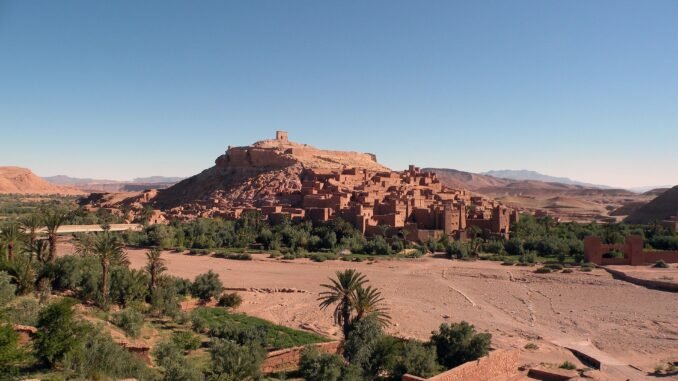
Morocco, a land of vibrant colors, rich history, and diverse landscapes, is a destination that promises an unforgettable travel experience. With its unique blend of ancient traditions and modern charm, Morocco is a place where the old and the new coexist in harmony.

From the bustling streets of Marrakech to the serene Sahara Desert, visiting Morocco offers a wealth of opportunities to explore its cultural heritage, natural beauty, and exciting activities. This guide will help you navigate the best of Morocco, providing insights into its tourism industry and what to expect when planning your trip.
Key Takeaways
- Discover Morocco’s rich cultural heritage and historical landmarks.
- Explore the diverse landscapes, from deserts to mountains.
- Get insights into the best times to visit Morocco.
- Learn about Morocco’s vibrant culture and traditions.
- Find out how to make the most of your Morocco travel experience.
The Allure of Morocco: A Land of Contrasts
With its diverse geography and rich cultural heritage, Morocco is a land of contrasts that captivates visitors from around the world. This North African country offers a unique blend of ancient traditions and modern elements, making it an intriguing destination for travelers.
Ancient Traditions Meet Modern Charm
Morocco’s cities are a testament to its ability to blend old and new. Ancient medinas and historic landmarks stand alongside modern architecture and contemporary art spaces, creating a visually stunning and culturally rich environment. Visitors can explore the ancient souks and historic sites, such as the Bahia Palace in Marrakech, while also enjoying the modern amenities and services available in the city.
Geographic Diversity: Mountains, Deserts, and Coasts
Morocco’s geography is as varied as it is breathtaking. The Atlas Mountains offer opportunities for hiking and trekking, while the Sahara Desert beckons with its majestic dunes and tranquil oases. The country’s extensive coastline along the Atlantic Ocean and the Mediterranean Sea provides beautiful beaches and coastal towns to explore.
Cultural Richness and Artistic Heritage
Morocco is renowned for its Morocco culture and artistic heritage. The country’s history has been shaped by various influences, including Arab, Berber, and French cultures, resulting in a unique cultural identity. Visitors can experience this rich heritage through Morocco’s cuisine, music, and art, including the vibrant souks and traditional crafts.
| Aspect | Description | Highlights |
|---|---|---|
| Geography | Diverse landscapes including mountains, deserts, and coastlines | Atlas Mountains, Sahara Desert, Atlantic and Mediterranean coastlines |
| Culture | Blend of Arab, Berber, and French influences | Traditional cuisine, music, and art, vibrant souks |
| Heritage | Rich historical and artistic heritage | Ancient medinas, historic landmarks, traditional crafts |
Why You Should Go to Morocco Now
Morocco is calling, and now is the perfect time to answer. As an emerging travel destination for Americans, Morocco offers a unique blend of cultural heritage and breathtaking landscapes that are waiting to be explored.
Emerging Travel Destination for Americans
Morocco is becoming increasingly popular among American travelers due to its rich cultural heritage and diverse landscapes. The country’s unique blend of Arab, Berber, and French influences creates a fascinating cultural experience that is unlike anywhere else in the world.
Accessibility and Value
One of the key reasons to visit Morocco now is its accessibility and value. Compared to other popular destinations, Morocco offers a high level of comfort and luxury at an affordable price. With a range of accommodation options, from riads to luxury desert camps, travelers can choose the level of comfort that suits their budget.
Authentic Experiences Still Preserved
Despite its growing popularity, Morocco still preserves its authentic experiences. Visitors can immerse themselves in the local culture by exploring the souks, trying street food, and engaging with the friendly locals. For American travelers, Morocco offers a unique opportunity to experience a different culture without feeling too far from home.
With its unique blend of cultures, affordable luxury, and authentic experiences, Morocco is an ideal destination for travelers looking for a memorable experience. As an American traveler in Morocco, you can expect to be greeted with warmth and hospitality, making your trip truly unforgettable.
Best Time to Visit: Seasonal Guide
The best time to visit Morocco is a question that depends on the region, as the country’s diverse climate zones offer different experiences throughout the year. Morocco’s climate varies from the cool, Atlantic-influenced north to the hot, arid south, and from the snowy Atlas Mountains to the scorching Sahara Desert.
Spring (March-May): Ideal Weather and Festivals
Spring is considered one of the best times to visit Morocco, with mild temperatures and a vibrant cultural scene. The weather is ideal for exploring the cities, attending festivals like the Marrakech Popular Arts Festival, and enjoying the outdoors.
Fall (September-November): Comfortable Temperatures
Autumn brings comfortable temperatures and a renewed energy to Morocco. It’s an excellent time for hiking in the Atlas Mountains, visiting the desert, or simply enjoying the souks and markets without the peak summer heat.
Winter and Summer Considerations
While winter can be cool, especially in the mountains, it’s a good time for skiing in the Atlas Mountains. Summer, on the other hand, can be very hot, particularly in the desert regions, but it’s also a great time for beach activities along the coast.
Regional Climate Variations
Morocco’s regional climates vary significantly. The coastal areas tend to be milder, while the interior and desert regions experience more extreme temperatures. Understanding these variations is key to planning your trip.
- Spring and fall are ideal for most activities.
- Winter is best for skiing and cooler temperatures.
- Summer is perfect for coastal activities but can be very hot inland.
Essential Pre-Trip Planning
Before embarking on your Moroccan adventure, it’s crucial to undertake some essential pre-trip planning. This involves several key aspects that will ensure your journey is smooth and enjoyable.
Visa Requirements and Entry Regulations
For most travelers from the United States, Morocco offers a relatively straightforward entry process. Citizens of the U.S. can enter Morocco for tourism or business purposes without a visa for up to 90 days. However, it’s essential to check the expiration date of your passport, which should be valid for at least six months beyond your planned departure date from Morocco. Additionally, you may be asked to provide proof of onward or return travel and sufficient funds for your stay.
Health Precautions and Travel Insurance
Morocco requires no specific vaccinations for entry, but it’s recommended to be up-to-date on all routine vaccinations. Consider consulting your healthcare provider about additional vaccinations such as Hepatitis A. Travel insurance that covers medical expenses is highly advisable, as some medical facilities may require immediate payment. Consider a policy that includes coverage for trip cancellations, delays, and evacuations if needed.
Packing Tips for Morocco’s Diverse Climate
Morocco’s climate varies significantly from the north to the south and from coastal areas to the desert. Pack layers for cooler mornings and evenings, especially in the spring and fall. Comfortable walking shoes are a must, as is sun protection (sunscreen, hat, sunglasses). For visits to rural areas or the desert, consider packing a scarf or face mask to protect against dust.
Budgeting for Your Moroccan Adventure
Morocco can cater to a wide range of budgets. To budget effectively, consider your accommodation choices, food preferences, and activities. On average, you can expect to spend between $30 to $50 per day for budget travelers, while mid-range travelers might spend between $50 to $100 per day. Luxury travelers can expect to spend $200 or more per day. Consider the cost of any pre-booked tours or activities, as well as any additional expenses such as souvenirs or unexpected expenses.
| Expense Category | Budget Estimate | Mid-Range Estimate | Luxury Estimate |
|---|---|---|---|
| Accommodation (per night) | $10-$20 | $30-$60 | $100-$200 |
| Food (per meal) | $3-$5 | $10-$20 | $20-$50 |
| Transportation (local) | $1-$3 | $5-$10 | $10-$20 |
| Activities/Tours | $10-$20 | $20-$50 | $50-$100 |
Navigating Morocco’s Imperial Cities
From the bustling streets of Marrakech to the ancient medina of Fes, Morocco’s imperial cities are a testament to the country’s rich cultural heritage. These cities have been the backbone of Moroccan history, serving as capitals and centers of power, culture, and learning over the centuries.
Marrakech: The Red City
Marrakech, known as the Red City due to its distinctive red sandstone buildings, is a vibrant and bustling metropolis that embodies the essence of Morocco. The city’s Jemaa el-Fnaa square is a UNESCO World Heritage Site and a must-visit attraction, offering a sensory experience like no other.
Jemaa el-Fnaa and the Medina
The Jemaa el-Fnaa is a large public square surrounded by food stalls, markets, and entertainment. By day, it’s a bustling marketplace, and by night, it transforms into a spectacular display of street performers, musicians, and food vendors. The medina, or old city, is a maze of narrow alleys and passageways, filled with shops selling everything from traditional crafts to modern souvenirs.
Majorelle Garden and Modern Attractions
Beyond its historic sites, Marrakech is also home to modern attractions like the Majorelle Garden, a beautiful botanical garden created by French artist Jacques Majorelle. The garden is a tranquil oasis in the heart of the bustling city, featuring a striking Art Deco building that houses the Berber Museum.
Fes: The Medieval Labyrinth
Fes, the oldest of Morocco’s imperial cities, is a medieval labyrinth of narrow streets and alleys, filled with historic landmarks and cultural treasures. The city’s ancient medina is one of the largest and most well-preserved in the Arab world.
The Ancient Medina and Tanneries
The medina of Fes is a UNESCO World Heritage Site and a must-visit destination for anyone interested in history, architecture, and culture. The city’s famous tanneries, where leather is still produced using traditional methods, are a highlight, offering a glimpse into a centuries-old industry.
Rabat and Meknes: Royal Heritage
Rabat, the capital city of Morocco, and Meknes, another imperial city, are both known for their royal heritage and historic landmarks. Rabat’s Chellah Necropolis and Hassan Tower are significant historical sites, while Meknes is home to the impressive Herri es Souani, a vast granary complex built during the reign of Sultan Moulay Ismail.
Each of Morocco’s imperial cities offers a unique and unforgettable experience, from the vibrant energy of Marrakech to the historical richness of Fes, and the royal heritage of Rabat and Meknes. Exploring these cities is a journey through Morocco’s past and present, offering insights into the country’s culture, history, and people.
Coastal Morocco: Atlantic and Mediterranean Gems
The coastal regions of Morocco present a unique blend of Atlantic and Mediterranean influences. This diversity is reflected in the country’s coastal cities, each offering a distinct experience for visitors.
Casablanca: Beyond the Movie
Casablanca, the economic capital of Morocco, is often misunderstood due to its famous namesake movie. However, the city has much more to offer beyond its cinematic fame. It boasts a blend of modern and traditional architecture, with landmarks like the Hassan II Mosque, one of the largest mosques in the world. Visitors can also explore the Old Medina, a historic area filled with markets and cultural heritage.
Essaouira: Windswept Artistic Haven
Essaouira, a charming coastal town, is known for its artistic vibe and tranquil atmosphere. The town is famous for its beautiful beaches, vibrant souks, and historic fortifications, including the Skalla de la Ville, a 18th-century sea bastion. Essaouira is also a haven for water sports enthusiasts, with consistent winds making it ideal for windsurfing and kitesurfing.
Tangier and Tetouan: Mediterranean Influence
Tangier, a city with a rich history, has been a crossroads of cultures, influenced by its strategic position at the tip of Morocco, overlooking the Mediterranean. Visitors can explore the Kasbah, the old city walls, and the American Legation Museum. Tetouan, another city in the north, is known for its well-preserved Medina, a UNESCO World Heritage Site, and its blend of Spanish and Moroccan architectural styles.
Emerging Beach Destinations
Beyond the well-known coastal cities, Morocco has several emerging beach destinations that are worth exploring. Places like Larache and Mehdya offer beautiful beaches and a more relaxed atmosphere, away from the crowds. These destinations are becoming increasingly popular for those seeking a tranquil beach experience.
| City | Main Attractions | Best For |
|---|---|---|
| Casablanca | Hassan II Mosque, Old Medina | Cultural Experiences |
| Essaouira | Beautiful Beaches, Skalla de la Ville | Water Sports, Relaxation |
| Tangier | Kasbah, American Legation Museum | History, Cultural Diversity |
| Tetouan | Medina (UNESCO World Heritage Site) | Historical Exploration |
Sahara Desert Adventures
Embarking on a Sahara Desert adventure is a journey into the heart of one of the world’s most iconic landscapes. The Sahara, with its vast expanses of sand dunes, offers an unparalleled experience for travelers seeking adventure and natural beauty.
Merzouga and the Erg Chebbi Dunes
One of the most popular destinations for Sahara Desert adventures is Merzouga, a small village on the edge of the Erg Chebbi dunes. Erg Chebbi is a massive field of sand dunes, some reaching heights of over 150 meters. Visitors can enjoy camel treks across the dunes, offering a unique perspective on the desert landscape.
Zagora and the Draa Valley
Another significant destination in the Sahara Desert is Zagora, known for its picturesque Draa Valley. The valley is a lush oasis in the desert, with palm groves and traditional villages. It’s an ideal location for hiking and exploring the local culture.
Camel Treks and Overnight Camping
A camel trek across the Sahara Desert is a quintessential experience, allowing visitors to immerse themselves in the desert’s tranquility. Overnight camping under the stars is a highlight, with many camps offering luxurious amenities amidst the desert’s rugged landscape.
What to Expect in a Desert Camp
Desert camps range from simple to luxury, offering a variety of experiences. Most camps provide guided excursions, including camel treks and visits to local villages. Guests can enjoy traditional meals and participate in cultural activities, enhancing their understanding of the local way of life.
Stargazing in the Sahara
The Sahara Desert offers some of the clearest skies in the world, making it an ideal location for stargazing. The lack of light pollution allows for a breathtaking view of the night sky, an experience that is both humbling and awe-inspiring.
The Atlas Mountains: Trekking and Berber Culture
Morocco’s Atlas Mountains are a treasure trove of natural beauty and cultural richness, offering something for every kind of traveler. This mountain range stretches across Morocco, providing a diverse array of landscapes and experiences.
Hiking Routes for All Levels
The Atlas Mountains offer a variety of hiking routes suitable for different skill levels. From easy day hikes to more challenging multi-day treks, there’s something for everyone.
- Easy trails for beginners, offering scenic views without the need for extensive hiking experience.
- Moderate routes that provide a balance between challenge and accessibility.
- Challenging treks for experienced hikers, offering breathtaking vistas and a sense of accomplishment.
Toubkal National Park
A highlight of the Atlas Mountains is Toubkal National Park, home to Morocco’s highest peak, Jbel Toubkal. The park offers stunning scenery, diverse wildlife, and the opportunity to explore traditional Berber villages.
Berber Villages and Homestays
One of the most enriching experiences in the Atlas Mountains is visiting Berber villages and participating in homestays. This allows travelers to immerse themselves in local culture, learning about Berber traditions and way of life.
Mountain Wildlife and Photography
The Atlas Mountains are home to a diverse range of wildlife, including the endangered Barbary macaque and various bird species. The region offers numerous photography opportunities, capturing the beauty of the landscapes and the wildlife.
| Activity | Difficulty Level | Duration |
|---|---|---|
| Trekking to Jbel Toubkal | Challenging | 2 days |
| Visiting Berber Villages | Easy | Half-day |
| Wildlife Photography | Moderate | Full-day |
Moroccan Cuisine: A Feast for the Senses
Moroccan cuisine is a vibrant tapestry of flavors, blending the country’s rich cultural heritage with its diverse geographical landscapes. It reflects the nation’s history, with influences from Arab, Berber, Mediterranean, and African culinary traditions.

Essential Dishes: Tagine, Couscous, and Beyond
Moroccan cuisine is known for its rich and flavorful dishes. Tagine, a slow-cooked stew named after the earthenware pot in which it’s cooked, is a staple. Couscous, a traditional North African dish made from semolina flour, is often served with vegetables and meat.
Other notable dishes include harira, a hearty soup, and b’stilla, a savory pie filled with layers of flaky pastry, meat, and eggs.
| Dish | Description |
|---|---|
| Tagine | Slow-cooked stew in a clay pot |
| Couscous | Traditional North African semolina dish |
| Harira | Hearty soup made with tomatoes and lentils |
Street Food Safety and Recommendations
Street food is an integral part of Moroccan cuisine. Popular street foods include grilled meats and fresh seafood. To ensure safety, choose vendors with high turnover and observe whether the food is handled and cooked properly.
“The best way to experience Moroccan cuisine is through its street food, which offers a genuine taste of the local culture.”
Mint Tea Culture and Etiquette
Mint tea is a cornerstone of Moroccan hospitality. It’s customary to be offered tea when visiting a Moroccan home. The etiquette involves accepting the tea with the right hand and not refusing the offer.
Cooking Classes and Food Tours
Participating in cooking classes or food tours is an excellent way to immerse yourself in Moroccan cuisine. These experiences provide insight into traditional cooking techniques and the opportunity to explore local markets.
- Learn traditional Moroccan recipes
- Explore local markets and ingredients
- Engage with local chefs and culinary experts
Where to Stay: Authentic Accommodations
Morocco offers a diverse range of accommodations, from traditional riads to luxury desert camps, ensuring that every traveler finds their perfect haven. The choice of where to stay can significantly enhance the Moroccan experience, with options to suit every taste and budget.
Riads: Traditional Moroccan Houses
Riads are a quintessential Moroccan experience, offering a glimpse into the country’s architectural heritage. These traditional houses, with their interior gardens and intricate zellij tiles, provide a serene and authentic stay, especially in cities like Marrakech and Fes. Many riads have been converted into boutique hotels, blending traditional charm with modern comforts.
Luxury Desert Camps and Mountain Kasbahs
For those venturing into the Sahara Desert or the Atlas Mountains, luxury desert camps and mountain kasbahs offer an unparalleled experience. These accommodations range from glamping sites with luxurious tents to fortified kasbahs that echo the region’s historical grandeur. They often provide guided tours, cultural experiences, and breathtaking scenery.
Boutique Hotels and International Chains
Morocco also boasts a range of boutique hotels and international chains, catering to those who prefer a more familiar comfort level. These hotels often blend modern amenities with local architectural elements, providing a comfortable and stylish stay in major cities and coastal towns.
Budget Options for Backpackers
For budget-conscious travelers, Morocco has a variety of affordable accommodations, including hostels and budget hotels. These options are ideal for backpackers and solo travelers, offering a chance to meet fellow travelers and explore the local culture without breaking the bank.
| Accommodation Type | Features | Price Range |
|---|---|---|
| Riads | Traditional architecture, interior gardens, zellij tiles | $50-$200 per night |
| Luxury Desert Camps | Glamping, guided tours, cultural experiences | $100-$500 per night |
| Boutique Hotels | Modern amenities, local architectural elements | $80-$250 per night |
| Budget Hostels | Affordable, social atmosphere, basic amenities | $10-$30 per night |
As Leila Abuzeid once said, “The riad is not just a house, it’s a world.” This quote encapsulates the essence of staying in a traditional Moroccan riad, offering a unique and immersive experience.
Transportation: Getting Around Morocco
Morocco’s transportation landscape is as diverse as its landscapes, offering something for everyone. The country has a well-developed infrastructure that caters to different travel styles and budgets.
Domestic Flights for Long Distances
For longer distances, domestic flights are a convenient option. Royal Air Maroc and other local airlines operate regular services between major cities like Marrakech, Casablanca, and Fez.
Train Network: Comfort and Reliability
Morocco’s train network, operated by ONCF, is known for its comfort and reliability. Trains connect major cities, with high-speed services available on popular routes.
Buses, Grand Taxis, and Petit Taxis
For shorter distances, buses and taxis are affordable options. Grand Taxis operate on fixed routes, while Petit Taxis are ideal for short trips within cities.
Self-Driving: Pros, Cons, and Safety
Self-driving in Morocco offers flexibility, but it comes with challenges. Be aware of local driving customs and road conditions.
| Transportation Mode | Advantages | Disadvantages |
|---|---|---|
| Domestic Flights | Fast, convenient | Expensive, limited routes |
| Train Network | Comfortable, reliable | Limited coverage |
| Buses and Taxis | Affordable, widespread | Less comfortable, variable service |
| Self-Driving | Flexible, scenic routes | Challenging driving conditions |
As a popular travel destination, Morocco’s transportation options cater to a wide range of preferences. Whether you prioritize speed, comfort, or affordability, there’s a suitable choice for your Moroccan adventure.
Shopping and Crafts: Bringing Morocco Home
The art of shopping in Morocco is a nuanced one, requiring patience, persistence, and a willingness to engage with local vendors. As you navigate the vibrant souks and markets, you’ll discover a diverse array of products that reflect the country’s rich cultural heritage.
Navigating the Souks: Etiquette and Bargaining
When shopping in Morocco’s souks, it’s essential to understand the local etiquette and bargaining customs. Start by researching the market value of the items you’re interested in, and be prepared to negotiate. Vendors often expect to haggle, so it’s a good idea to start with a lower offer and work your way up. Be respectful and polite, and don’t be afraid to walk away if you’re not satisfied with the price.
Authentic Souvenirs: Carpets, Leather, Ceramics
Morocco is renowned for its traditional handicrafts, including hand-woven carpets, intricately crafted leather goods, and vibrant ceramics. When shopping for souvenirs, look for authentic, locally-made products that reflect the country’s cultural heritage. Some popular items include:
- Hand-woven carpets and rugs
- Leather goods, such as handbags and wallets
- Ceramics and pottery
- Traditional clothing and accessories

Artisan Cooperatives and Fair Trade Options
Many artisan cooperatives and fair trade organizations in Morocco offer high-quality, authentic products while supporting local communities. Look for cooperatives that provide fair wages and working conditions for artisans, and consider purchasing products that are certified by organizations such as Fair Trade Morocco.
Shipping and Customs Considerations
When shopping in Morocco, it’s essential to consider the logistics of shipping your purchases home. Research shipping options and costs in advance, and factor in any customs duties or taxes that may apply. Some vendors may offer shipping services, but it’s crucial to understand the terms and conditions before making a purchase.
Cultural Insights and Respectful Travel
As you prepare to explore Morocco, it’s essential to grasp the cultural insights that will enhance your journey. Morocco is a country with a rich cultural heritage, shaped by Arab, Berber, and European influences. Understanding and respecting local customs will not only make your trip more enjoyable but also foster positive interactions with the Moroccan people.
Religious Customs and Ramadan
Morocco is an Islamic country, and respecting religious customs is crucial. During Ramadan, the holy month of fasting, many restaurants are closed during the day, and it’s considered polite to avoid eating, drinking, or smoking in public. Be mindful of your surroundings and dress modestly, especially when visiting mosques or government buildings.
Dress Code Recommendations
Morocco is a conservative country, and dressing modestly is advised. Loose-fitting clothing that covers your shoulders and knees is recommended, especially for women. In rural areas or when visiting religious sites, it’s best to dress more conservatively to show respect for local customs.
Photography Etiquette and Permissions
When taking photographs, be respectful of people and places. Always ask permission before photographing locals, especially in rural areas or during cultural events. Some mosques and government buildings may not allow photography, so it’s best to check with your guide or locals.
Basic Arabic and French Phrases
Learning a few basic phrases in Arabic and French, the primary languages of Morocco, can go a long way in showing respect for the culture. Simple greetings like “hello” (مرحبا – marhaba) and “thank you” (شكرا – shukraan) can enhance your interactions with locals.
| Phrase | English Translation | Language |
|---|---|---|
| مرحبا (marhaba) | Hello | Arabic |
| شكرا (shukraan) | Thank you | Arabic |
| Bonjour | Good day | French |
| Merci | Thank you | French |
Crafting Your Perfect Morocco Itinerary
Crafting the perfect Morocco itinerary can be a daunting task, but with the right guidance, you can create an unforgettable journey. Morocco offers a diverse array of experiences, from exploring the vibrant souks of Marrakech to relaxing on the beaches of Essaouira.
7-Day Highlights Tour
A 7-day Morocco itinerary is ideal for those who want to experience the country’s main highlights. This tour typically includes visits to Marrakech, the Atlas Mountains, and the coastal town of Essaouira. You’ll have the opportunity to explore the bustling souks, enjoy a traditional Moroccan dinner, and take in the breathtaking views of the Atlas Mountains.
14-Day Comprehensive Journey
For those who want to delve deeper into Morocco’s culture and landscapes, a 14-day itinerary is recommended. This journey can include visits to Rabat, Fes, and the Sahara Desert, in addition to the highlights covered in the 7-day tour. You’ll have the chance to explore the ancient ruins of Volubilis, experience the tranquility of the Sahara Desert, and visit the vibrant city of Fes.
Specialized Itineraries: Photography, Culinary, Adventure
Morocco is a versatile destination that can be tailored to suit various interests. For photography enthusiasts, a tour focused on capturing the country’s diverse landscapes and cultural moments can be arranged. Foodies can enjoy a culinary tour that includes cooking classes and visits to local markets. Adventure seekers can embark on trekking, hiking, or camel-riding excursions in the Atlas Mountains or Sahara Desert.
“Morocco is a sensory overload in the best possible way. The vibrant colors, the sounds of the souks, and the flavors of the cuisine all combine to create an unforgettable experience.” – Travel writer
Combining Morocco with Spain or Portugal
For those who want to explore more of the region, combining Morocco with Spain or Portugal can be a great option. This can be achieved through a multi-destination tour that includes travel between the countries by ferry or flight. You’ll have the opportunity to experience the rich cultural heritage of multiple nations and enjoy the diversity of the region.
Conclusion: The Timeless Magic of Morocco
Morocco is a timeless destination that weaves together ancient traditions, cultural richness, and breathtaking landscapes, making it an unforgettable morocco travel experience. From the vibrant souks of Marrakech to the serene Sahara Desert, the country’s diverse geography and cultural heritage captivate travelers worldwide, embodying the essence of morocco magic.
As explored in this guide, Morocco offers a wide range of experiences, from exploring imperial cities and coastal gems to trekking in the Atlas Mountains and desert adventures. Each journey through Morocco reveals a new layer of its timeless appeal, whether you’re drawn to its historical landmarks, culinary delights, or the warmth of its people.
As you plan your morocco travel itinerary, remember that Morocco is a destination that rewards curiosity and openness. With its rich history, stunning landscapes, and welcoming culture, Morocco is sure to leave a lasting impression, making it a timeless destination for travelers from around the world.
FAQ
What is the best time to visit Morocco?
The best time to visit Morocco is during the spring (March-May) and fall (September-November), when the weather is mild and comfortable. These periods are ideal for exploring the imperial cities, Sahara Desert, and Atlas Mountains.
Do I need a visa to enter Morocco?
Visa requirements for Morocco vary depending on your nationality. Citizens of the United States, Canada, and many European countries can enter Morocco without a visa for a stay of up to 90 days. It’s essential to check the latest entry regulations before your trip.
How do I get around Morocco?
Morocco offers various transportation options, including domestic flights, trains, buses, grand taxis, and petit taxis. The train network is comfortable and reliable, while buses and taxis are more affordable. Self-driving is also possible, but be aware of the local driving conditions and safety concerns.
What are the must-try dishes in Morocco?
Moroccan cuisine is known for its rich flavors and aromas. Must-try dishes include tagine, couscous, harira (a hearty soup), and pastilla (a savory pie). Be sure to also try some of the local street food, such as grilled meats and fresh produce.
Is it safe to travel to Morocco?
Morocco is generally a safe country to visit, but as with any travel destination, take normal precautions to protect yourself and your belongings. Be mindful of your surroundings, especially in crowded areas and markets.
Can I use credit cards and ATMs in Morocco?
Major credit cards, such as Visa and Mastercard, are widely accepted in Morocco, especially in larger cities and tourist areas. ATMs are also readily available, but be aware that some may charge withdrawal fees.
What should I pack for my trip to Morocco?
Morocco’s climate varies greatly depending on the region and season. Pack layers for cooler mornings and evenings, and comfortable clothing for exploring. Don’t forget to include sun protection, a hat, and sturdy shoes for trekking or walking.
Can I drink tap water in Morocco?
It’s generally not recommended to drink tap water in Morocco. Stick to bottled or filtered water to avoid any potential health issues.
How do I bargain in Moroccan souks?
Bargaining is a way of life in Moroccan souks. Be respectful, friendly, and prepared to negotiate. Start with a lower offer, and be willing to compromise on a price that works for both you and the vendor.
What are some basic Arabic phrases to know when traveling to Morocco?
While many Moroccans speak some French or English, it’s always appreciated when visitors make an effort to speak a few basic Arabic phrases, such as “hello” (as-salamu alaykum), “thank you” (shukraan), and “goodbye” (ma’a as-salaama).
Leave a Reply