
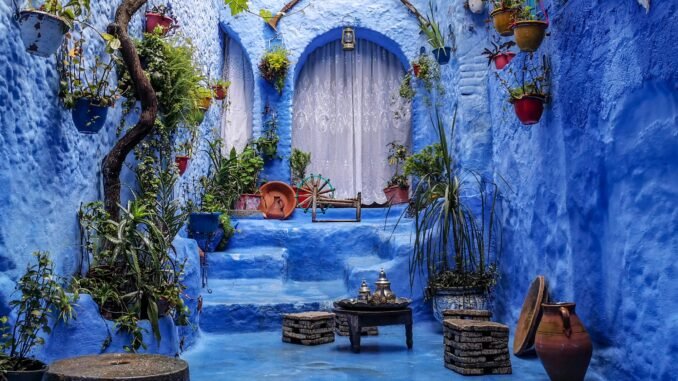
Morocco is a vibrant country that offers a unique blend of cultures, rich history, and breathtaking landscapes, making it an ideal destination for travelers. From the bustling streets of Marrakech to the serene dunes of the Sahara Desert, Morocco travel promises an unforgettable experience.

The country’s diverse geography, including mountains, beaches, and deserts, provides a wide range of activities and experiences for visitors. With its rich cultural heritage and warm hospitality, Morocco tourism has been thriving, attracting travelers from around the world.
Key Takeaways
- Discover Morocco’s rich cultural heritage
- Explore the country’s diverse geography
- Experience the vibrant cities and serene landscapes
- Enjoy the local cuisine and hospitality
- Visit historic sites and landmarks
The Enchanting Appeal of Morocco
Morocco’s enchanting appeal is rooted in its history, culture, and natural beauty, making it a must-visit destination. The country’s diverse landscapes, from the Sahara Desert to the vibrant cities like Marrakech, offer a wide range of experiences for travelers.
What Makes Morocco Stand Out Among Travel Destinations
Morocco stands out due to its unique blend of African, Arab, and European influences. The country’s rich cultural heritage is evident in its architecture, cuisine, and traditions. Moroccan cuisine, known for its flavorful dishes like tagine and couscous, is a significant part of the travel experience.
When Is the Best Time to Visit Morocco
The best time to visit Morocco is during the spring (March to May) and autumn (September to November), when the weather is mild and pleasant. These periods are ideal for exploring the cities, deserts, and mountains.
| Season | Weather | Activities |
|---|---|---|
| Spring | Mild | City tours, desert explorations |
| Autumn | Pleasant | Hiking, cultural festivals |
Reason1: The Vibrant and Historic Medinas
Morocco’s medinas are a treasure trove of history and culture, waiting to be explored. These ancient walled cities are the heart of Morocco’s historic towns, offering a unique blend of traditional life, architecture, and commerce.
How to Navigate Fez’s UNESCO-Listed Medina
Navigating Fez’s medina can be a daunting task due to its labyrinthine streets. To make the most of your visit, consider hiring a local guide who can provide insights into the history and significance of various landmarks. Additionally, wearing comfortable shoes is essential, as you’ll be doing a lot of walking.
Tips for Exploring Marrakech’s Jemaa el-Fnaa
Jemaa el-Fnaa is one of Marrakech’s most famous landmarks, a bustling square that comes alive with snake charmers, street performers, and food stalls. To fully experience Jemaa el-Fnaa, visit at different times of the day to see how it transforms from a daytime market to a vibrant nightlife hotspot.
| Medina | Must-see Attractions | Tips for Visitors |
|---|---|---|
| Fez | Al-Attarine Madrasa, Dar Batha Museum | Hire a local guide, be prepared for crowds |
| Marrakech | Jemaa el-Fnaa, Bahia Palace | Visit at night, try local street food |
Exploring Morocco’s medinas is an unforgettable experience that offers a deep dive into the country’s rich cultural heritage. Whether you’re wandering through the narrow alleys of Fez or taking in the vibrant atmosphere of Marrakech’s Jemaa el-Fnaa, you’re sure to be captivated by the history, sights, and sounds of these ancient cities.
Reason2: Breathtaking Sahara Desert Experiences
The Sahara Desert is a realm of majestic beauty, offering unforgettable adventures. As the largest hot desert in the world, it spans across several countries in North Africa, providing a unique landscape of endless sand dunes, rocky plateaus, and oases.
One of the most iconic experiences in the Sahara is a camel trek, which allows travelers to traverse the desert like nomads of old. A typical camel trek involves riding through the dunes, watching the sunset over the desert, and camping under the stars.
Planning a Camel Trek and Desert Camp Stay
To plan a camel trek and desert camp stay, consider the following:
- Choose a reputable tour operator with experienced guides.
- Pack comfortable clothing and layers for cold desert nights.
- Bring sunscreen, a hat, and sunglasses for protection.
- Stay hydrated by drinking plenty of water.
Best Spots for Desert Photography and Stargazing
The Sahara Desert offers numerous opportunities for stunning photography and stargazing. Some of the best spots include:
| Location | Activity | Best Time |
|---|---|---|
| Merzouga Dunes | Photography, Camel Trek | Sunrise, Sunset |
| Chegaga Dunes | Photography, Camping | Sunset, Night |
| M’Hamid El Ghizlane | Stargazing, Desert Camping | Night |
The Sahara Desert is a destination that promises adventure, tranquility, and a deep connection with nature. Whether you’re trekking through the dunes or simply gazing at the stars, the Sahara offers an experience that will leave you in awe.
Reason3: Stunning Coastal Towns and Beaches
From the windswept beaches of Essaouira to the vibrant shores of Agadir, Morocco’s coastal towns are a treasure trove of experiences. These towns offer a unique blend of natural beauty, cultural richness, and recreational activities that cater to a wide range of interests.
Morocco’s coastline is home to a diverse array of charming towns, each with its own character and attractions. Essaouira, known as the “Windy City,” is famous for its well-preserved medieval architecture, vibrant arts scene, and the beautiful beaches that stretch along its ramparts.
Visiting Essaouira: The Windy City by the Atlantic
Essaouira is a haven for those seeking a relaxed, bohemian vibe. The town is renowned for its thuya woodwork and handmade carpets, making it a shopper’s paradise. Visitors can enjoy windsurfing, kitesurfing, or simply soaking up the sun on its picturesque beaches.
The ramparts of Essaouira offer breathtaking views of the Atlantic Ocean, making it an ideal spot for sunset watching. The local cuisine, with its fresh seafood and traditional Moroccan dishes, is another highlight of visiting Essaouira.
Beach Activities in Agadir and Taghazout
Agadir and Taghazout are two coastal destinations that stand out for their excellent beach activities. Agadir, with its long sandy beach, is perfect for swimming, sunbathing, and water sports. Taghazout, a small fishing village turned surfers’ paradise, offers world-class surfing and a relaxed atmosphere.
Both towns cater to a variety of tastes, from adventure seekers looking for surfing or jet-skiing to families seeking a relaxing beach vacation. The clear waters and golden sands make these beaches unforgettable.
Reason4: Exquisite Moroccan Cuisine
With its diverse influences and rich history, Moroccan cuisine is an unforgettable experience for food enthusiasts. The country’s culinary delights are shaped by African, European, and Arab flavors, creating a unique gastronomic identity.
How to Experience Traditional Moroccan Dishes
To truly experience Moroccan cuisine, visitors should explore traditional dishes such as tagines, couscous, and pastilla. These dishes are often made with locally sourced ingredients and are flavored with a blend of aromatic spices.
Key traditional dishes include:
- Tagine: A slow-cooked stew named after the earthenware pot in which it’s cooked.
- Couscous: A North African staple made from semolina flour, often served with vegetables and meat.
- Pastilla: A savory pie made with layers of flaky pastry, meat, and spices.
Finding the Best Food Tours and Cooking Classes
For a deeper culinary experience, consider joining a food tour or cooking class. These activities provide insight into Moroccan cooking techniques and the cultural significance of various dishes.
“Cooking classes offer a hands-on experience, allowing participants to learn about and prepare traditional Moroccan dishes.”
A popular activity is visiting local markets to select fresh ingredients before heading to a cooking class where you can learn to prepare traditional meals.
| Activity | Description | Location |
|---|---|---|
| Food Tours | Guided tours through local markets and eateries | Marrakech, Fez |
| Cooking Classes | Hands-on cooking experience with local chefs | Marrakech, Essaouira |
Reason5: Rich Cultural Heritage and Traditions
Morocco’s rich cultural heritage is a tapestry woven from the threads of Berber traditions, Arab influences, and Mediterranean flair. This diverse cultural landscape is evident in the country’s vibrant festivals, traditional crafts, and the warm hospitality of its people.
Engaging with Berber Culture and Communities
One of the most enriching experiences in Morocco is engaging with the Berber culture, which is deeply rooted in the country’s history. Visitors can immerse themselves in Berber traditions by attending local festivals, visiting rural villages, and participating in homestays. These interactions offer a unique glimpse into the daily lives and customs of Berber communities, fostering a deeper understanding and appreciation of their cultural heritage.
Shopping for Traditional Crafts and Artisanal Products
Morocco is renowned for its traditional crafts, including intricate pottery, vibrant textiles, and beautifully crafted jewelry. Shopping for these artisanal products not only allows visitors to acquire unique souvenirs but also supports local artisans and helps preserve traditional crafts. From the bustling souks of Marrakech to the artisan cooperatives in rural areas, there are numerous opportunities to discover and purchase authentic Moroccan crafts.
Reason6: Architectural Wonders and Historical Sites
From majestic palaces to ancient Roman ruins, Morocco’s historical sites are a treasure trove of architectural wonders. The country’s rich history is reflected in its diverse architectural styles, ranging from Islamic and Arabic to European influences.
Must-Visit Palaces and Mosques
Morocco is home to numerous stunning palaces and mosques that showcase its architectural prowess. The Bahia Palace in Marrakech, with its intricate craftsmanship and beautiful gardens, is a must-visit. Similarly, the Koutoubia Mosque, also in Marrakech, is one of the largest mosques in the Islamic world and a prominent landmark.
Other notable mentions include the Dar al-Makhzen palace in Rabat, which serves as the official residence of the King of Morocco, and the Hassan II Mosque in Casablanca, known for its impressive architecture and beautiful tile work.
| Location | Historical Site | Description |
|---|---|---|
| Marrakech | Bahia Palace | A masterpiece of Islamic craftsmanship with beautiful gardens |
| Marrakech | Koutoubia Mosque | One of the largest mosques in the Islamic world |
| Rabat | Dar al-Makhzen | The official residence of the King of Morocco |
| Casablanca | Hassan II Mosque | Known for its impressive architecture and tile work |
Exploring Ancient Roman Ruins at Volubilis
The ancient Roman ruins at Volubilis are a UNESCO World Heritage site and a significant historical landmark in Morocco. Located near the city of Meknes, Volubilis features well-preserved Roman architecture, including mosaics, temples, and triumphal arches.
Visitors can explore the site on guided tours, gaining insights into the history and significance of the ruins. The site provides a fascinating glimpse into Morocco’s Roman past and its cultural heritage.
Reason7: The Majestic Atlas Mountains
Stretching across Morocco, the Atlas Mountains present a unique blend of natural beauty and cultural richness. This mountain range is a haven for outdoor enthusiasts and those interested in exploring traditional Berber culture.
Planning Hiking Trips and Mountain Excursions
The Atlas Mountains offer numerous trails for hikers of all levels, from leisurely strolls to challenging treks. To make the most of your hiking trip, consider hiring a local guide who can provide insights into the region’s flora, fauna, and cultural landmarks.
Popular hiking destinations include the Mount Toubkal, the highest peak in North Africa, and the Ourika Valley, known for its picturesque villages and stunning scenery.
| Hiking Trail | Difficulty Level | Duration |
|---|---|---|
| Mount Toubkal | Challenging | 2 days |
| Ourika Valley | Moderate | 1 day |
| Tafrawt Region | Easy | Half-day |
Authentic Experiences in Berber Mountain Villages
Visiting Berber villages is a highlight of any trip to the Atlas Mountains. These villages offer a glimpse into traditional Moroccan life, with opportunities to engage with local communities and learn about their customs and traditions.
Guests can stay in homestays or eco-lodges, enjoying local cuisine and participating in activities such as cooking classes or traditional crafts workshops.
Reason8: Affordable Luxury and Authentic Accommodations
Morocco offers a unique blend of affordable luxury and authentic accommodations that cater to diverse traveler preferences. From traditional riads to luxurious spas, Morocco’s accommodation options ensure a memorable stay.

One of the highlights of staying in Morocco is the opportunity to reside in a traditional riad. These beautifully designed houses, with their interior gardens and intricate architecture, provide a serene and authentic Moroccan experience.
How to Choose and Book a Traditional Riad
When selecting a riad, consider factors such as location, amenities, and reviews. It’s advisable to book in advance, especially during peak travel seasons, to ensure availability.
- Research riads in the medina of your chosen city
- Check for amenities like pools and spas
- Read reviews from previous guests
Experiencing Moroccan Hammams and Spa Treatments
A visit to Morocco is incomplete without experiencing a traditional hammam. These steam baths, followed by exfoliating scrubs and relaxing massages, offer a rejuvenating experience.
“The hammam is a cornerstone of Moroccan culture, offering a unique blend of relaxation and social interaction.”
Many riads and luxury hotels offer hammam and spa services, allowing visitors to indulge in these traditional treatments in the comfort of their accommodation.
By choosing to stay in a traditional riad and experiencing the local hammam culture, travelers can enjoy an authentic and luxurious Moroccan experience.
Reason9: Vibrant Arts, Crafts, and Music Scene
Morocco’s rich cultural heritage is perhaps most vibrantly expressed through its thriving arts, crafts, and music scene. The country’s unique blend of traditional and contemporary influences has created a cultural landscape that is as diverse as it is captivating.
The vibrant arts scene in Morocco is not just about visual arts; it’s also deeply rooted in its musical heritage and traditional crafts. Visitors can immerse themselves in this rich cultural tapestry by attending local festivals and cultural events or by exploring contemporary art galleries.
Attending Festivals and Cultural Events
Morocco hosts a variety of festivals throughout the year that celebrate its rich cultural heritage. The Marrakech International Film Festival and the Fez Festival of World Sacred Music are just a couple of examples where visitors can experience the country’s vibrant arts and music scene firsthand.
Discovering Contemporary Moroccan Art Galleries
For those interested in contemporary art, Morocco’s cities are home to numerous galleries showcasing the work of local and international artists. These galleries offer a glimpse into the country’s evolving art scene and its place within the global art world.
By engaging with Morocco’s vibrant arts, crafts, and music scene, travelers can gain a deeper understanding of the country’s culture and its people, making their visit even more memorable.
Reason10: Why You Should Go to Morocco Now
Recent developments have made Morocco more accessible than ever, making it an ideal time to visit. The country has seen significant improvements in its tourism infrastructure, enhancing the overall travel experience.
Recent Tourism Developments and Improved Accessibility
Morocco has invested heavily in its tourism sector, with new airports and transportation links making it easier for travelers to navigate the country. The expansion of airport facilities in major cities like Marrakech and Casablanca has streamlined international travel, while improved road networks have made domestic travel more convenient.
Enhanced accessibility is not limited to transportation. Many tourist attractions now offer better amenities, including guided tours in multiple languages, making it easier for international visitors to appreciate Morocco’s rich cultural heritage.
Essential Safety Tips and Travel Considerations
As with any travel destination, it’s essential to be aware of local conditions and take necessary precautions. Morocco is generally a safe country, but visitors should remain vigilant, especially in crowded areas like medinas and markets.
Travelers should also be mindful of local customs and dress modestly to respect the cultural norms. Staying informed about local events and demonstrations can also help in planning your itinerary effectively.
Practical Guide: Planning Your Trip to Morocco
As you prepare for your Moroccan adventure, understanding the essentials is key to a smooth trip. Morocco, known for its vibrant culture and rich history, attracts travelers from around the world. Planning ahead can make a significant difference in your travel experience.
Visa Requirements and Travel Documentation
Before traveling to Morocco, it’s essential to check the visa requirements for your country. Citizens of many countries, including the United States, can enter Morocco without a visa for stays up to 90 days. However, your passport must be valid for at least six months beyond your planned departure date. Ensure you have the necessary travel documentation, including a return ticket and proof of sufficient funds.
Transportation Options Within Morocco
Morocco offers various transportation options, making it relatively easy to get around. You can travel by train, bus, or taxi. The train network connects major cities like Marrakech, Fez, and Rabat, offering a comfortable and efficient way to travel. For shorter distances, grand taxis (shared taxis) are a convenient option. Renting a car can also be a good choice if you prefer to explore at your own pace.

Recommended Itineraries for Different Trip Lengths
Depending on the length of your stay, you can plan your itinerary to include a mix of cultural experiences, historical sites, and natural beauty. For a short trip (3-4 days), focus on one or two cities like Marrakech and Fez. For longer stays (7-10 days), consider exploring the Atlas Mountains, Sahara Desert, and coastal towns like Essaouira. A sample 7-day itinerary could include:
| Day | Location | Activities |
|---|---|---|
| 1-2 | Marrakech | Explore Jemaa el-Fnaa, Majorelle Garden |
| 3 | Essaouira | Visit the beach, explore the medina |
| 4-5 | Fez | Discover the ancient medina, Al-Attarine Madrasa |
| 6-7 | Sahara Desert | Camel trek, desert camp, stargazing |
By planning your trip according to your interests and time, you can have a fulfilling experience in Morocco.
Conclusion: Embracing the Moroccan Experience
As we’ve explored the many reasons why Morocco should be your next travel destination, it’s clear that this enchanting country offers a truly unique experience. From the vibrant medinas to the breathtaking Sahara Desert, Morocco is a land of contrasts that will captivate your senses and leave you with unforgettable memories.
The Moroccan experience is about immersing yourself in a rich cultural heritage, savoring exquisite cuisine, and marveling at the architectural wonders that dot the landscape. Whether you’re trekking through the Atlas Mountains, relaxing on the stunning coastal beaches, or exploring the historic sites, every moment in Morocco is an opportunity to discover something new and exciting.
As you plan your trip to Morocco, remember to embrace the local culture, try new experiences, and be open to the unexpected. With its warm hospitality, diverse landscapes, and vibrant atmosphere, Morocco is a destination that will leave you eager to return and continue exploring. So why not start planning your Moroccan adventure today and discover the magic that awaits you in this incredible country?
FAQ
What is the best time to visit Morocco?
The best time to visit Morocco is during spring (March to May) and autumn (September to November), when the weather is mild and pleasant, making it ideal for exploring the medinas, deserts, and mountains.
How do I navigate Fez’s UNESCO-Listed Medina?
To navigate Fez’s medina, it’s recommended to get a map, hire a local guide, or use a GPS device, as the narrow alleys can be confusing. Additionally, be prepared for crowds and narrow passageways.
What are the must-try traditional Moroccan dishes?
Some must-try traditional Moroccan dishes include tagine, couscous, harira, and pastilla. Be sure to experience the local cuisine through food tours and cooking classes to learn about the rich flavors and ingredients.
How do I plan a camel trek and desert camp stay in the Sahara Desert?
To plan a camel trek and desert camp stay, research reputable tour operators, book in advance, and prepare for the desert climate by packing suitable clothing, sunscreen, and a first-aid kit.
What are the visa requirements for traveling to Morocco?
Visa requirements for Morocco vary depending on nationality. Citizens of many countries, including the US and EU, do not need a visa for tourism stays up to 90 days. Check with the Moroccan embassy or consulate for the most up-to-date information.
How do I choose and book a traditional Riad?
To choose and book a traditional Riad, research online, read reviews, and consider factors like location, amenities, and price. Booking through a reputable website or travel agent can also help ensure a smooth experience.
What are the best spots for desert photography and stargazing?
The Sahara Desert offers numerous opportunities for stunning photography and stargazing. Popular spots include Merzouga, Zagora, and the Erg Chebbi dunes, where the clear skies and dramatic landscapes make for unforgettable experiences.
How do I experience authentic Berber culture and communities?
To experience authentic Berber culture, visit Berber villages, attend local festivals, and engage with the community through homestays or guided tours. This will provide a deeper understanding of the rich cultural heritage and traditions.
What are the essential safety tips for traveling to Morocco?
Essential safety tips for Morocco include being aware of your surroundings, keeping valuables secure, avoiding traveling alone at night, and staying informed about local conditions. Register with your government’s travel advisory service for additional guidance.
What transportation options are available within Morocco?
Morocco offers various transportation options, including buses, trains, taxis, and rental cars. The train network is efficient, while buses and taxis provide affordable alternatives. Renting a car allows for greater flexibility, especially for exploring rural areas.
Leave a Reply